As fitas de LED são muito apreciadas pela sua eficiência energética e versatilidade, bem como pelos acessórios que as acompanham. Perfis LED são igualmente populares. Muitas pessoas partem do princípio de que os LEDs não geram calor. Embora os LEDs funcionem a temperaturas muito mais baixas do que as lâmpadas incandescentes, os seus componentes internos continuam a gerar um “calor de junção” significativo. Se este calor não for dissipado de forma eficaz, torna-se um “assassino silencioso” que pode danificar o seu investimento em iluminação. Isto leva-nos aos canais dissipadores de calor para LED — vulgarmente conhecidos como “perfis de alumínio para LED” —, pelo que é fundamental compreender a sua função.
O que é um canal de dissipação de calor para LED?
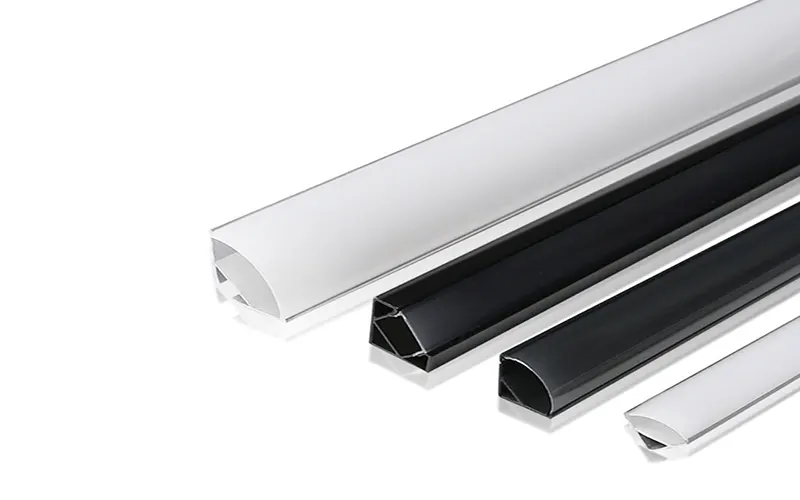
O principal material utilizado nos canais de dissipação de calor para LED é o alumínio, embora estes sejam compostos por vários componentes, tais como o perfil de alumínio, uma cobertura em PC, tampas nas extremidades e clipes de fixação.
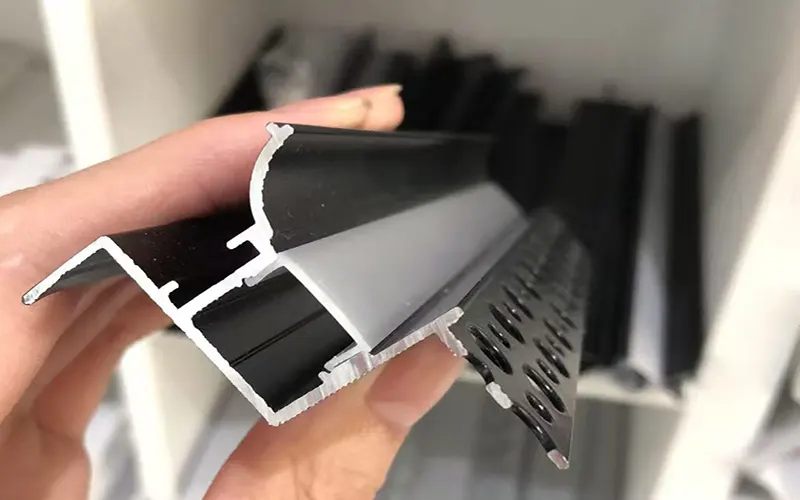
Trata-se de um componente especialmente concebido para absorver, conduzir e dissipar o calor gerado pelos chips LED. Ao contrário dos dissipadores de calor planos convencionais, estes canais apresentam uma estrutura oca, fechada ou semi-fechada (normalmente em alumínio) que maximiza a condutividade térmica, protegendo simultaneamente a fita ou o módulo LED.
Por que utilizar um canal de LED para a dissipação de calor?
Os LEDs são dispositivos semicondutores. Quando uma corrente elétrica os atravessa, nem toda a energia elétrica é convertida em luz; uma parte é transformada em calor. Uma vez que as fitas de LED são normalmente finas e montadas em placas de circuito impresso (PCB) flexíveis, a sua área de superfície disponível para a dissipação de calor é muito limitada.
Se uma fita LED for colada diretamente num armário de madeira ou numa superfície de plástico — ambos isolantes térmicos —, o calor acumula-se no interior dos chips. Isto acelera a “depreciação do fluxo luminoso” (uma diminuição do brilho) e pode, em última análise, conduzir a uma avaria.
Por conseguinte, a utilização de perfis para LED ajuda a dissipar o calor das fitas de LED, ao mesmo tempo que proporciona proteção às fitas com classificação IP20.
Como é que os perfis de alumínio dissipam o calor? Qual é o princípio subjacente?
O desempenho em termos de dissipação de calor dos perfis de LED (também conhecidos como canais de LED) depende em grande medida do seu material: o alumínio. O alumínio possui uma elevada condutividade térmica, o que significa que transfere o calor muito mais rapidamente do que o aço, o plástico ou a madeira. Para mais detalhes, consulte Porque é que a Fita LED precisa do Perfil LED?
O processo de dissipação de calor envolve três fases:
Condução térmica
A parte traseira da placa de circuito impresso (PCB) da fita LED está em contacto direto com a base de alumínio, permitindo que o calor seja conduzido da PCB (Placa de Circuito Impresso) para o corpo metálico do perfil.
Absorção de calor
O próprio alumínio funciona como um “reservatório de calor”, absorvendo energia térmica e, assim, impedindo que a temperatura de junção do chip LED atinja níveis críticos.
Convecção térmica
As superfícies exteriores dos perfis de LED ficam expostas ao ar. À medida que o ar passa por estas superfícies, o calor é dissipado. Muitos perfis de nível profissional apresentam formas especialmente concebidas para maximizar a área de superfície, o que lhes permite funcionar de forma muito semelhante a um dissipador de calor.
De que forma os canais do dissipador de calor dos LED prolongam a vida útil dos LED?
Uma das principais vantagens da utilização de dissipadores de calor para LED (ou perfis de dissipação de calor) é a sua capacidade de prolongar eficazmente a vida útil dos LED.
A vida útil dos LED é diretamente influenciada pela temperatura. A maioria dos fabricantes de LED avalia a longevidade dos produtos com base em condições térmicas ideais. Quando as temperaturas excedem os intervalos recomendados, o desempenho dos componentes internos deteriora-se mais rapidamente.
Eis os benefícios específicos de uma dissipação de calor adequada:
Retardar o desgaste das luzes LED
O brilho dos LEDs diminui naturalmente com o passar do tempo. O calor excessivo acelera este processo, levando a um escurecimento prematuro e percetível. Os canais de dissipação de calor ajudam a manter uma emissão de luz estável durante um período mais longo.
Proteger o chip LED
O calor excessivo pode danificar o material semicondutor no interior do chip do LED. Uma dissipação eficaz do calor reduz o stress térmico, preservando assim a integridade e o desempenho do chip.
Melhorar a estabilidade do condutor
O calor afeta não só os próprios LEDs, mas também a fonte de alimentação e os circuitos; consequentemente, o controlador e os sistemas de circuitos também são afetados. Temperaturas de funcionamento mais baixas ajudam a garantir um desempenho elétrico mais estável.
Prolongar a vida útil de todo o sistema
Ao reduzir o esforço térmico em todos os componentes, prolonga-se a vida útil de todo o sistema de iluminação, reduzindo assim os custos de manutenção e substituição.
Perfis de LED: Para além da gestão térmica, até à proteção física
Embora a gestão térmica seja a principal função técnica dos perfis LED de dissipação de calor, estes também oferecem benefícios de proteção física igualmente importantes. Protegem as fitas LED de impactos externos e de vários contaminantes.
- Proteção contra poeira e detritos: A acumulação de poeira nas fitas LED expostas cria uma camada isolante que retém o calor e pode até provocar curto-circuitos. Os perfis equipados com difusores mantêm as fitas LED limpas e intactas.
- Resistência à humidade: Ao instalar debaixo de armários de cozinha ou em casas de banho, é necessário utilizar fitas LED à prova de água; os perfis funcionam ainda como uma barreira contra a humidade e a gordura.
- Resistência ao esforço mecânico: As fitas de LED expostas são frágeis; os impactos ou a aplicação de força excessiva durante a limpeza podem provocar a quebra dos circuitos de cobre. A estrutura de alumínio funciona como um “esqueleto” robusto, protegendo a fita contra choques ou desprendimento acidental.
- Garantir uma aderência duradoura: O revestimento adesivo das fitas LED costuma falhar a altas temperaturas, fazendo com que a fita ceda ou caia. A excelente dissipação de calor da superfície de alumínio garante uma fixação duradoura e segura.
Como escolher o canal de dissipador de calor LED adequado?
Os perfis de LED estão disponíveis numa vasta gama de tamanhos, o que significa que nem todos os canais dos perfis são iguais. Ao selecionar o produto mais adequado para o seu projeto, tenha em conta os seguintes fatores:
Potência nominal da fita LED
Se estiver a utilizar fitas de alta potência (potência superior a 15 W/m), irá necessitar de perfis “para uso intensivo” com maior largura. Estes utilizam mais alumínio para suportar eficazmente a carga térmica mais elevada.
Para fitas decorativas de baixo consumo energético, bastam perfis de LED finos ou “padrão”.
Largura interna dos perfis LED
Certifique-se de que a largura interna do canal do perfil é suficiente para acomodar a sua fita LED; normalmente, essa largura é 1–2 mm superior à da própria fita LED. Enquanto as fitas padrão têm 8 mm ou 10 mm de largura, as fitas de alta potência ou RGBW podem atingir larguras de 12 mm ou mais.
Profundidade do perfil
Os canais de perfil mais profundos proporcionam uma melhor difusão da luz e evitam pontos de concentração de luz, mas podem ser difíceis de integrar em móveis mais finos. Os canais menos profundos são adequados para espaços apertados, mas requerem fitas LED de alta densidade para evitar “pontos de luz” visíveis.”
Ambiente de instalação
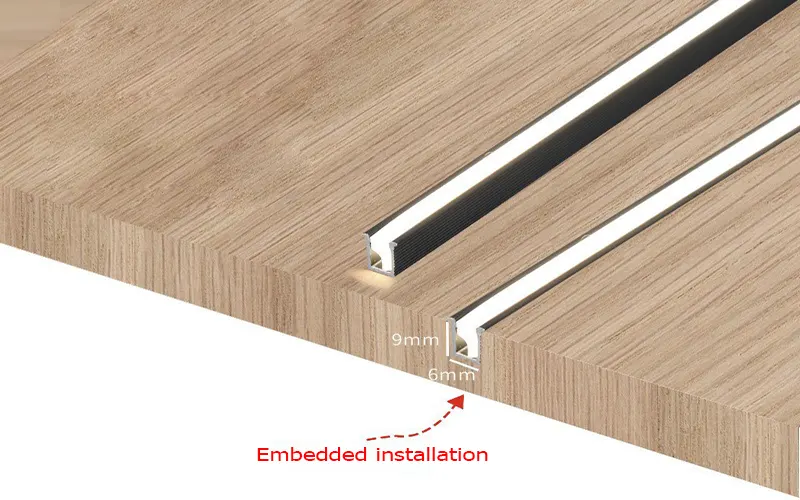
Para utilização no exterior, opte por alumínio anodizado com propriedades anticorrosivas. Para fachadas de edifícios, considere perfis especificamente concebidos para instalação embutida.
Conclusão
Os canais de dissipação de calor para LED são componentes essenciais dos sistemas de iluminação LED de alta qualidade. Ao dissiparem eficazmente o calor, mantêm o brilho dos LED, garantem a pureza da cor e prolongam a vida útil das luminárias. A escolha de perfis em liga de alumínio de qualidade profissional elimina agora o incómodo de substituições frequentes causadas pela diminuição da luminosidade ou pela queima dos LED mais tarde.
Convidamo-lo a explorar a nossa vasta gama de perfis de alumínio LED profissionais. Quer esteja a projetar a fachada de um edifício comercial ou a criar um interior residencial elegante, oferecemos as soluções ideais de gestão térmica para garantir que os seus projetos se destaquem de forma brilhante a longo prazo.
Perguntas frequentes
Sim, é possível. No entanto, é necessário ter em conta a potência da fita LED e o local de instalação. Sem um dissipador de calor, o calor gerado pelos chips LED fica retido à volta da fita. Isto pode provocar a falha do adesivo (levando à descolagem da fita), resultar em alterações de cor e encurtar significativamente a vida útil da fita.
Não, não tem praticamente qualquer impacto. Pode escolher de acordo com a sua preferência pessoal, embora os perfis padrão na cor de alumínio sejam, geralmente, a escolha mais popular.
Não. O plástico é um isolante térmico, não um condutor. A utilização de um canal de plástico irá, na verdade, reter o calor à volta da fita LED, acelerando a sua degradação em vez de a proteger.
É normal que os perfis de alumínio para LED fiquem quentes ou até mesmo muito quentes ao toque; na verdade, isso indica que estão a dissipar o calor de forma eficaz. No entanto, se o perfil ficar demasiado quente, será desconfortável ao toque. Idealmente, a temperatura não deve exceder os 50 °C.
Em teoria, sim, mas não é recomendado para utilização a longo prazo. Materiais como a madeira e as placas de gesso absorvem o calor em vez de o dissiparem, o que faz com que os LEDs funcionem a temperaturas mais elevadas e reduz a sua vida útil.